
Mapping HMDD’s Transformation: Beginning With Concept Through to Streetwear Icon
HMDD’s story traces back the way every streetwear brand does — with a core notion — but in this case it was a statement that wouldn’t fade from memory: “Happy Memories Don’t Die.” That phrase, condensed into HMDD, has grown from a modest creative notion into an established presence in contemporary streetwear culture. HMDD’s path echoes a broader shift in how indie labels carve out a presence — not via big advertising spend, but through a steady brand voice, a distinct visual language, and product that people actually want to wear daily. Heading into 2026, this piece follows that progression, looks at what sets HMDD clothing apart in a crowded market, and offers an honest breakdown of where the brand currently stands.
Streetwear as a category has evolved significantly across the last ten years. What was once a small scene built around graphic tees and limited drops has broadened out into a full lifestyle wardrobe, covering everything from outerwear to loungewear. Leading with a name-driven approach, HMDD made its entrance into this landscape: the phrase “happy memories dont die” goes beyond being a simple tagline — it stands as a philosophy woven through how the brand handles design, marketing, and community building. That philosophy is worth unpacking before diving into the product details.
Exploring the Beginnings Behind the HMDD Concept
HMDD wasn’t born in a corporate office. One core concept — that recollections, particularly the good ones, are worth keeping and wearing instead of staying stuck in photo albums — formed the basis for the modest project that became a smaller project, in the same way as a lot of streetwear brands tend to begin. Acting as both branding and mission statement, that name carries real weight. Rather than leaning on vague symbols or borrowed street terms, HMDD constructed its identity from a complete phrase that customers happy memories don’t die could repeat, tattoo, or caption on social posts — a shrewder lasting strategy than a standalone generic symbol.
Early on, what the brand put out was modest. Limited-run drops, a handful of graphic tees, and word-of-mouth marketing carried it through its opening chapter. That kind of pattern shows up often in streetwear’s past — companies like early Supreme or Bape kicked off in a similarly stripped-down way before building out fuller collections. HMDD pursued a like-minded trajectory, relying on scarcity and design with a message to earn a loyal base of early customers rather than aiming for broad reach from the very beginning.
What made HMDD rise above dozens of other startup labels was messaging that never wavered. Every drop reinforced the same emotional thread: nostalgia, the ability to bounce back, and the idea that happy memories endure beyond hard times. Skipping the trend-chasing route, that consistency is much of the explanation for why the brand carries staying power into 2026 rather than fizzling out after just a couple of cycles.
From Graphic Tees to a Head-to-Toe Closet
Pushing ahead, its expansion included broadening the catalog past tees and hoodies. HMDD sweatpants and HMDD shorts became key additions, shifting the brand from a graphic-tee label into a more complete loungewear and streetwear lineup. This expansion mattered because sweatpants and shorts are frequently repurchased pieces — shoppers who buy one pair often return for a second or third, particularly when cut and fabric heft meet standards.
HMDD sweatpants are generally positioned as an wardrobe basic rather than a standout item, which aligns with the brand’s broader identity. Where tees lean on bold graphics, sweatpants and shorts stand or fall on fit, stitching quality, and how comfortable they feel in actual wear. Moving into this space showed that HMDD wanted lasting relevance as a complete apparel brand, not just recognition as a t-shirt company with a clever name.
Shorts followed a similar logic. HMDD shorts fill the gap between dressier streetwear and purely sport-driven wear, giving customers a piece that works for relaxed hangouts, workouts, or simply lounging. This category expansion is one of the clearest signs of brand maturity — moving from single hero items to a wardrobe system customers can build a full rotation around.
Making Sense of an HMDD Review
Look up an honest hmdd review online, and one pattern stands out: customers regularly mention fit, print durability, and overall comfort as the factors that tip the scale. Streetwear buyers today are more informed than they were ten years ago. They check stitching quality, examine fabric weight, and read through reviews before buying, particularly for brands lacking a flagship retail presence in every city.
Favorable comments in HMDD review threads often focus on the brand’s ability to keep its message consistent across product types — the “happy memories don’t die” phrase appears with intention rather than being slapped onto every item without purpose. Where criticism does show up, it usually centers on sizing consistency, which is a familiar complaint across nearly every growing streetwear label as they scale production. Labels that stay tuned to this feedback loop generally adjust fast, and HMDD’s continued product updates point to active listening rather than standing still.
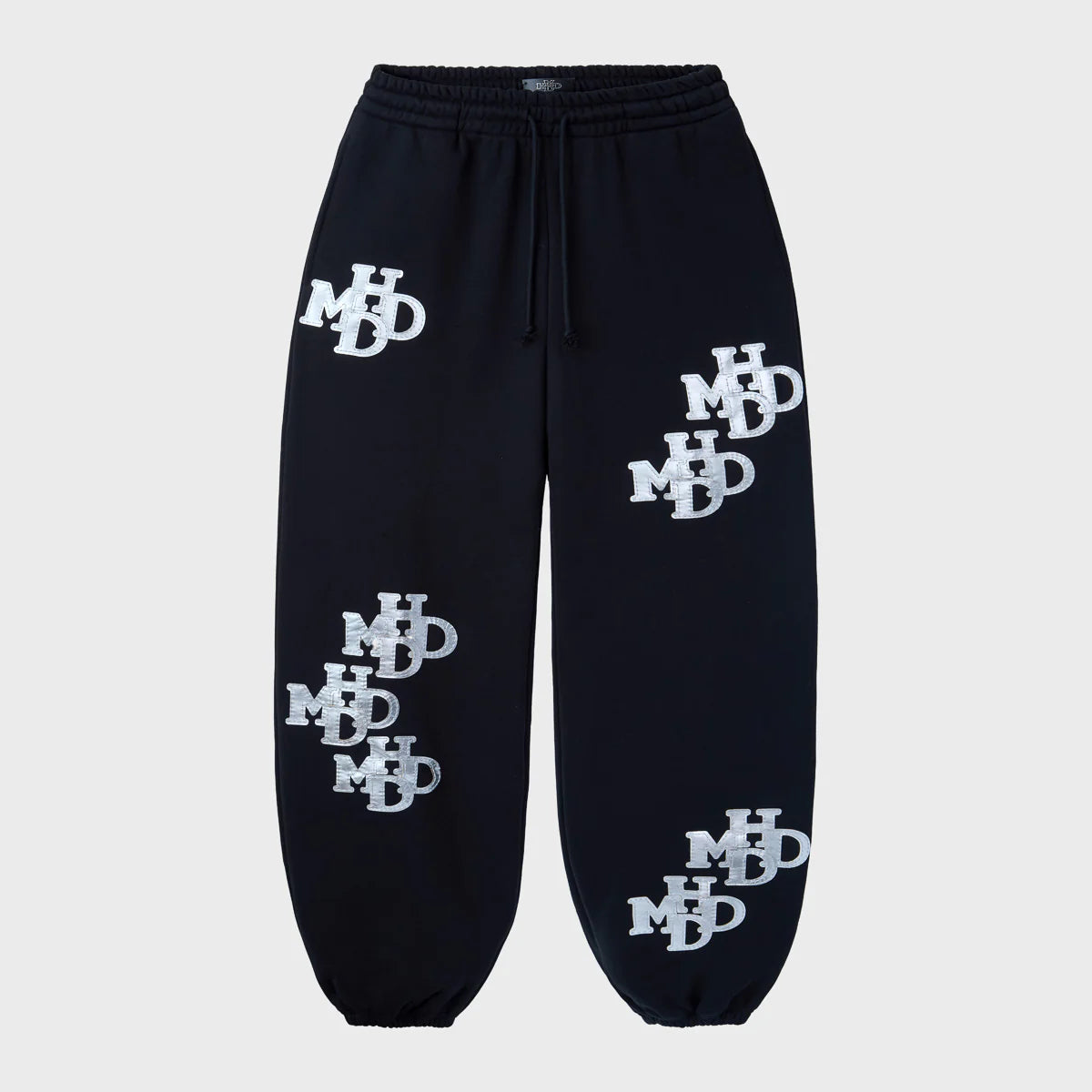
For shoppers trying to pin down the best hmdd clothing pieces to start with, reviews repeatedly steer buyers toward the sweatpants and core graphic tees as entry points, with shorts recommended for warm-weather wear. This kind of grassroots, review-driven guidance is arguably more valuable than any marketing campaign, because it comes from people who actually wore the product through daily use.
HMDDLA and the Regional Identity Angle
Streetwear has historically drawn on strong regional roots, and HMDDLA — the Los Angeles-associated identity tied to the brand — plays into that tradition. For decades, Los Angeles has served as a proving ground for streetwear culture, from skate-shop culture to small labels that eventually went global. The brand, by leaning into an Los-Angeles-linked identity, taps into a familiar heritage of West Coast streetwear culture, giving the brand a regional touchstone that customers can relate to above and beyond the merchandise itself.
This place-based brand strategy isn’t something reserved for HMDD, but the follow-through here feels intentional. Rather than just slapping a city name onto packaging, the HMDDLA angle reinforces the brand’s broader narrative: memories bound up with geography, time, and belonging. It hands buyers something to believe in beyond the product itself.
Growing a grassroots following is also supported by place-rooted identity. In-person pop-ups, collabs, and grassroots buzz in a specific city usually generate deeper brand loyalty than strictly online-only labels. Whether HMDDLA persists as a defining brand trait through 2026 will most likely come down to how invested the label stays to in-person reach as opposed to leaning mainly online-driven.
A Look At HMDD’s Approach Against Everyday Street-Style Competitors
To get a sense of where HMDD fits in the market, it helps to compare its general approach against usual streetwear competitor patterns. The table below illustrates general category tendencies rather than precise price comparisons between brands, since precise pricing among competitors changes on an ongoing basis.
| Category | HMDD Method | Typical Comparable Streetwear Label |
|---|---|---|
| Brand Voice | A identity rooted in a full phrase (“Happy Memories Don’t Die”) | Frequently logo-led, light on messaging |
| Product Lineup | Tees, hoodies, sweatpants, shorts | Varies widely; a lot of them stay tee-and-hoodie focused at the outset |
| Place-Based Branding | HMDDLA / Los Angeles-linked branding | A mixed bag; some brands avoid regional connections altogether |
| Growth Strategy | Starting with small-batch drops that evolve into a complete wardrobe system | Not far off, even though the pace of growth varies by brand |
| Customer Feedback Loop | A hands-on engagement with sizing adjustments based on customer reviews | Variable across the category |
The Place HMDD Holds Ground during 2026
Approaching 2026, HMDD has carved out a place that a lot of indie streetwear brands chase after but few reach: a name people know, a growing catalog, and an engaged customer base regularly talking about the label through customer feedback and search trends.
Mirroring the same measured approach found in comparable streetwear success stories, the shift from a phrase-driven concept to a multi-category clothing brand unfolded step by step — beginning with a niche focus, building loyalty, then expanding deliberately.
Adding sweatpants and shorts next to the original tee-driven lineup reveals a brand looking beyond one hero product. The HMDDLA regional identity contributes an added sense of place-based authenticity that connects to streetwear’s long-standing roots in distinct cities and subcultures. And the active discussion tied to HMDD review content — spanning both positive notes and helpful critique — points to a label still actively evolving based on genuine shopper input rather than assumptions.
For those weighing whether to try HMDD clothing for the first go, the pattern is fairly clear: start with a core piece, be mindful of sizing notes from existing reviews, and branch out into sweatpants or shorts once comfort preferences are confirmed. The brand’s evolution from a single meaningful phrase to a full streetwear staple is a reminder that in this industry, a consistent message often outlive simply chasing trends — while the path HMDD is on through 2026 looks like a continuation of that same principle.

Comments are closed